How to Choose Building Materials Without Regretting It Later
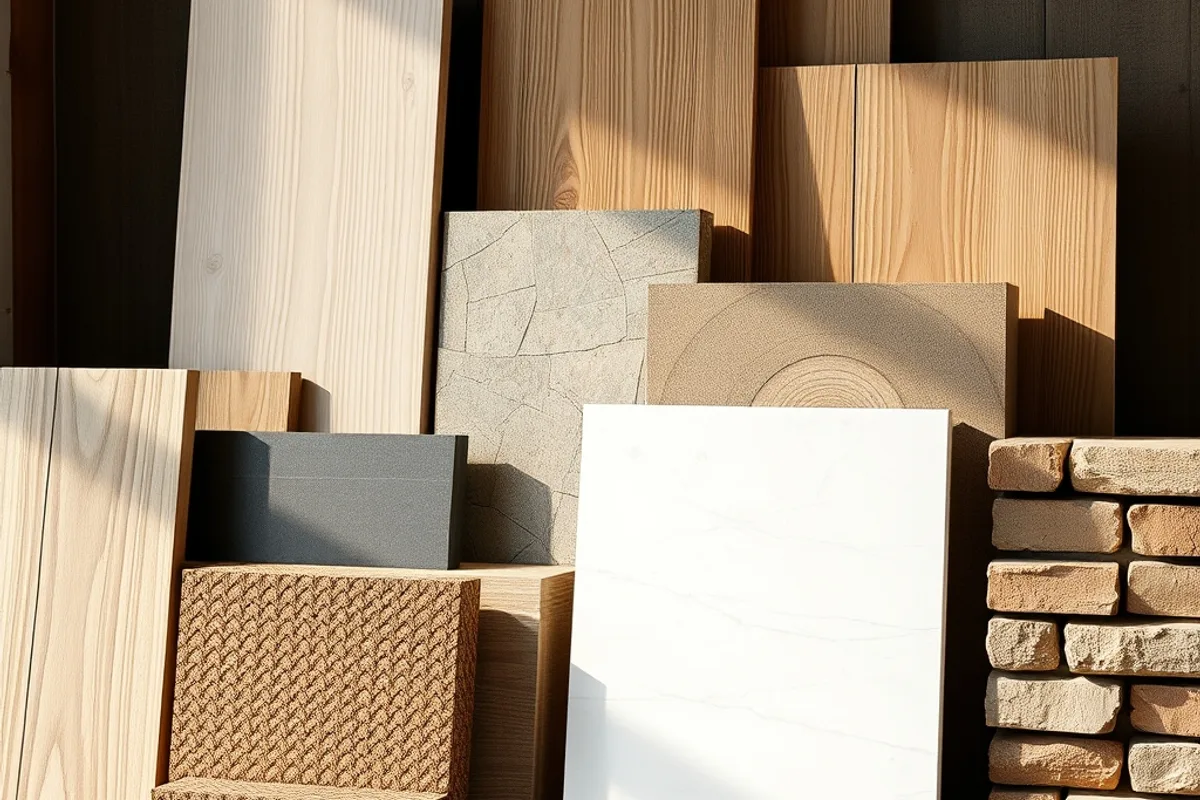
Every building material is a trade-off. Timber is renewable and warm but needs protection. Steel is strong and precise but conducts heat and corrodes. Concrete is durable and cheap but heavy and carbon-intensive. The skill is not finding the perfect material; it is matching the material to the job, the climate and the maintenance budget.
Compare installed cost, not shelf price
The price at the merchant is only part of the cost. A material that is cheap per square metre but slow to install, or needs specialist fixings, can be more expensive than a premium product that goes up quickly. Add labour, wastage, fixings, access equipment and finish.
Ask for a quote by work package with the material named. "Supply and fit cladding" is not a specification. The type, thickness, fixing system, breathability and fire rating all change the price and the performance.
Judge lifespan and maintenance together
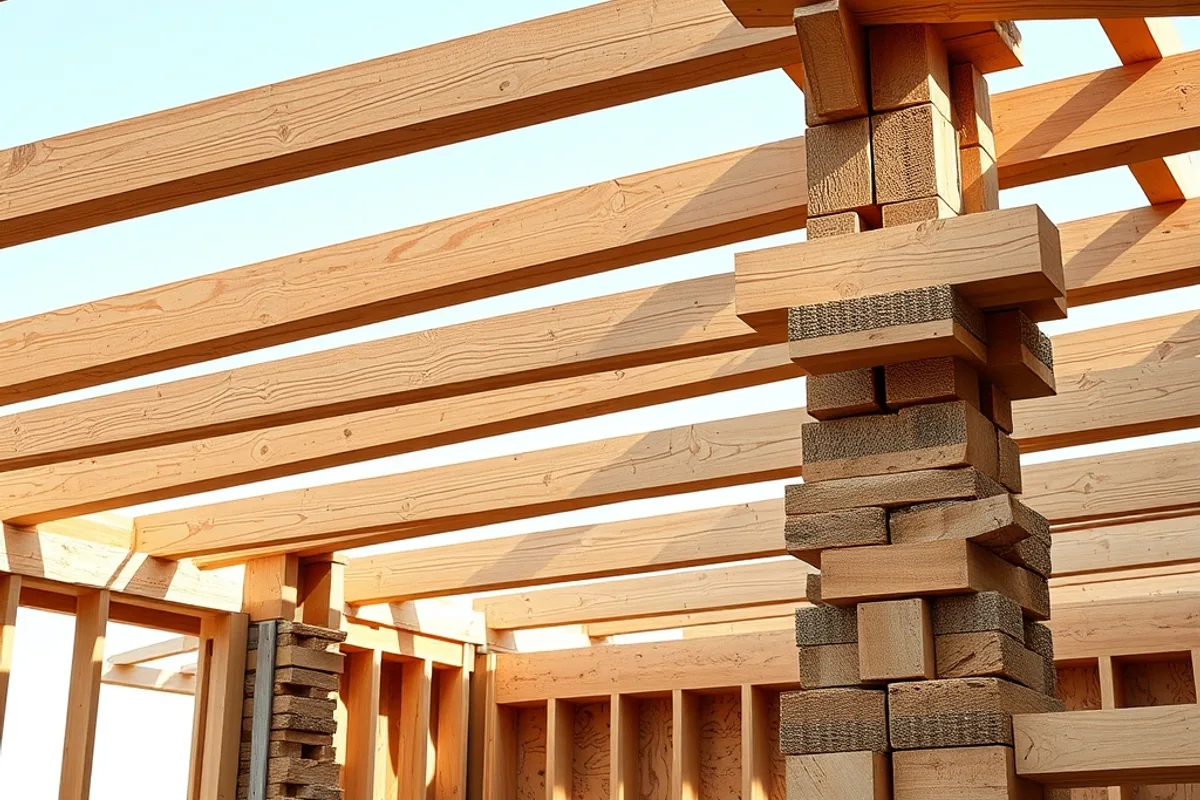
A material that lasts 15 years with no maintenance can be a better investment than one that lasts 40 years but needs repainting every five. Calculate the whole-life cost: initial price plus maintenance plus expected replacement, divided by the years of service.
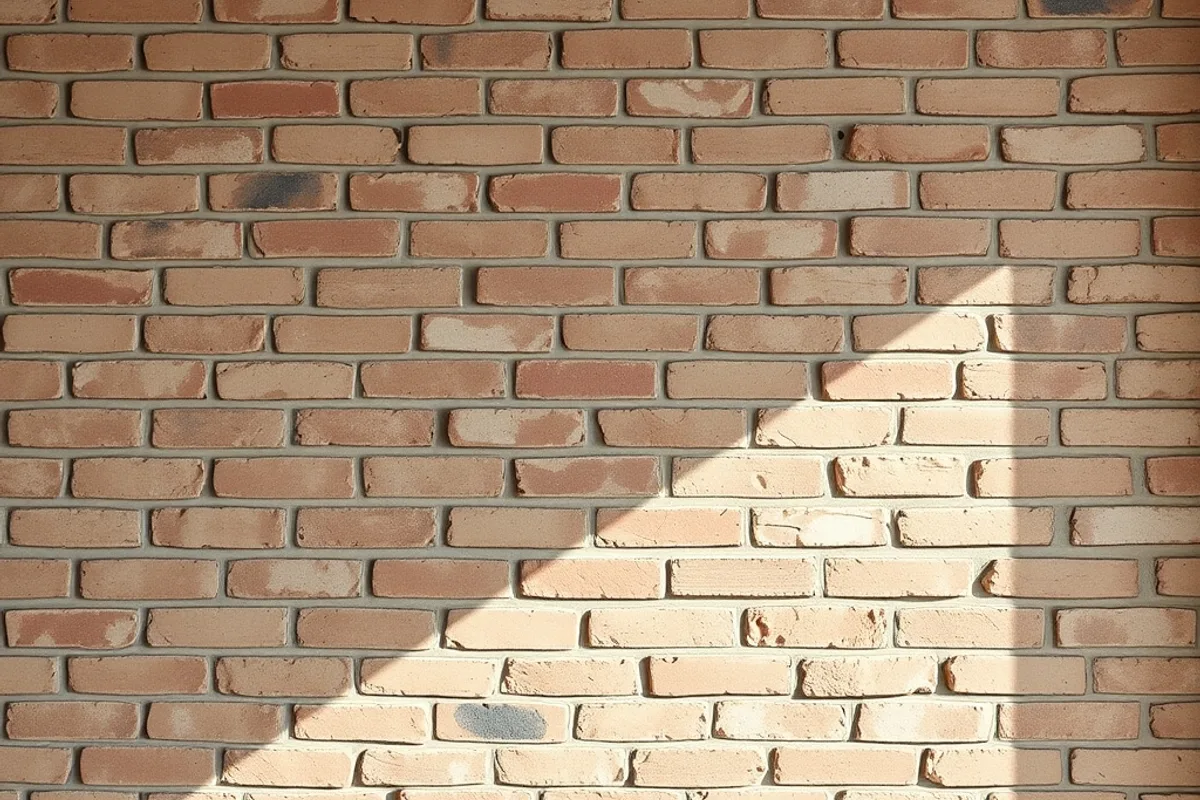
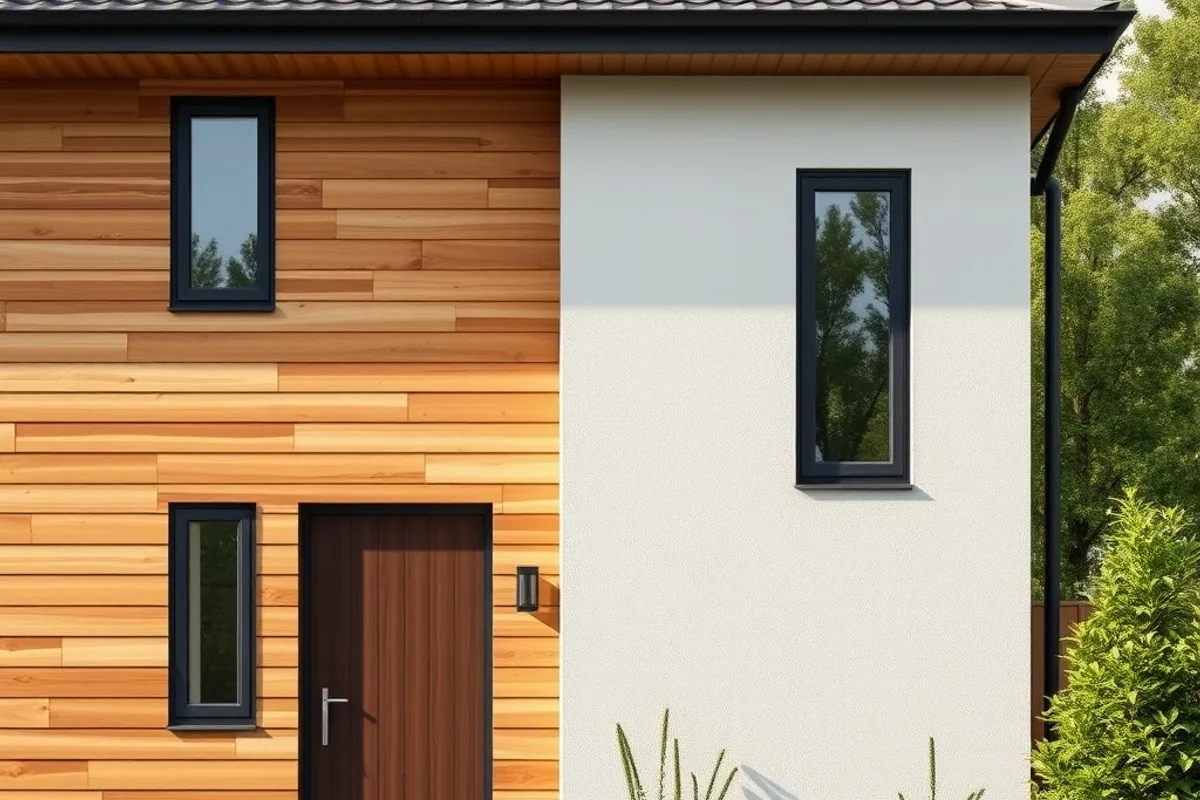
Timber cladding may need recoating every three to five years depending on exposure. uPVC is low maintenance but can discolour and has a shorter life. Brick and stone last generations but cost more upfront. Render is cheap but cracks and stains. None is universally right.
Questions that expose a weak specification
- What is the expected service life in this exposure zone?
- What maintenance does the warranty require, and who must do it?
- Is the product suitable for the substrate and climate?
- What happens at junctions, openings and penetrations?
Climate and exposure
Coastal sites need corrosion-resistant fixings and materials that tolerate salt. Wet climates demand good drainage, ventilation and breathable wall build-ups. Hot climates prioritise shading, thermal mass and reflective surfaces. A material that performs well in one region can fail quickly in another.
Orientation matters too. South and west elevations receive more sun and driving rain; north elevations stay damp longer. Specify finishes and fixings for the worst exposure on the building, not the average.
"A material is only as good as its detailing. The same product fails or lasts depending on how water is directed away from it."
Thermal performance and comfort
Materials differ in insulation value, thermal mass and airtightness. Insulation reduces heat loss; thermal mass stores and releases heat; airtightness stops warm air escaping. A well-insulated timber frame and a well-built masonry wall can both perform well if the details are right.
Watch for thermal bridging at junctions, balconies and window reveals. A continuous insulation layer is more effective than a thicker material in one place. Ask for U-values and psi-values in writing, and make sure the as-built detail matches the calculation.
Sustainability without greenwash
Look for third-party certifications, recycled content, responsible sourcing and end-of-life options. Timber should be certified from a reputable scheme. Concrete and steel carry high embodied carbon but may be unavoidable structurally; using less of either through efficient design is often the biggest win.
Durability is a sustainability strategy. A building that lasts 100 years with modest maintenance uses fewer resources than one replaced every 30. Avoid treating "eco" as a label and compare lifecycle impacts instead.
Fire, moisture and health
Fire performance is non-negotiable, particularly on external walls and in multi-storey buildings. Check the required reaction-to-fire class and how the material behaves in a complete system, not just as a sample. Fixings, membranes and cavities matter as much as the facing material.
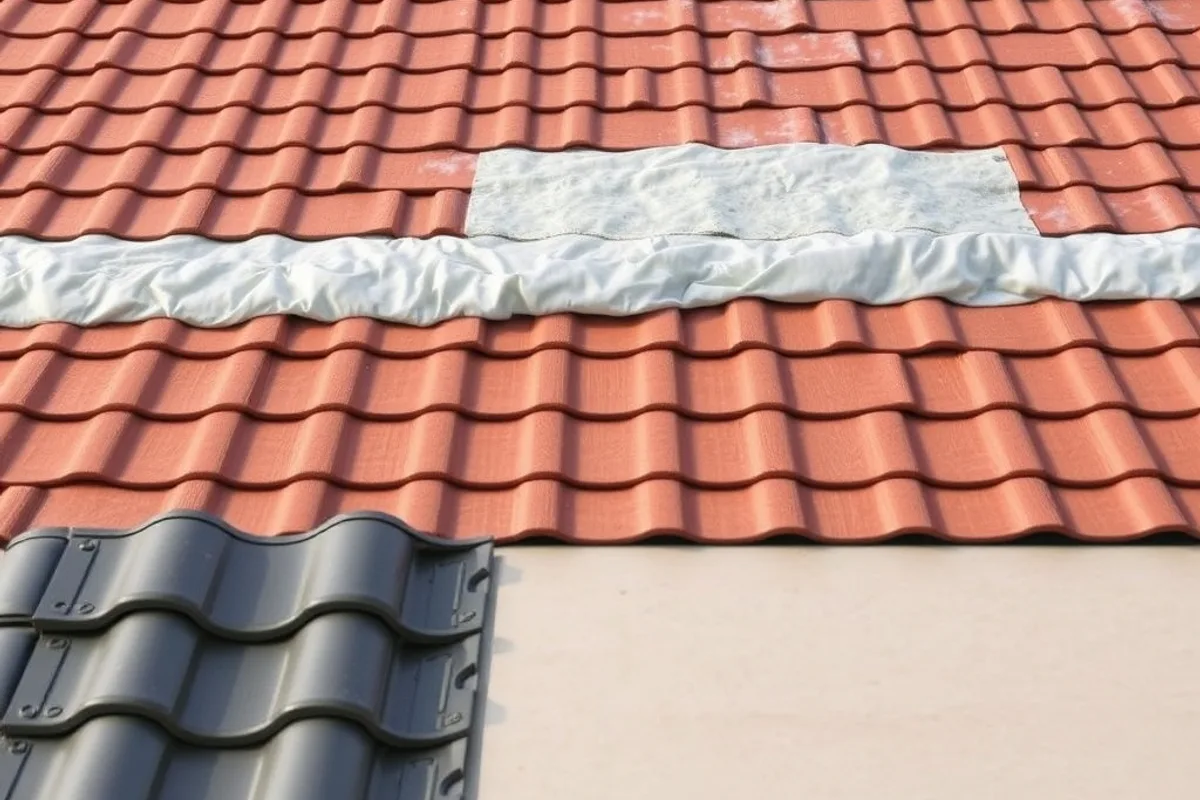
Moisture is the most common cause of building failure. Use vapour-open construction where appropriate, detail drainage and ventilation, and avoid trapping water in wall or roof build-ups. Materials that stay wet lose performance and lifespan quickly.
Procurement and substitutions
Order from a reputable supplier with a clear technical datasheet and warranty. Keep samples and delivery notes. If a contractor proposes a substitution, require written confirmation that it meets the same performance specification and does not void warranties or approvals.
Cheap substitutions are where many projects lose value quietly. A thinner insulation board or a lower-grade fixing can pass a visual inspection and fail in five years. Our framing comparison covers the structural choice in more detail.
The bottom line
Compare installed cost, lifespan, maintenance and performance for the specific exposure. Insist on named products and written warranties, and remember that detailing decides whether a good material performs. Choose for the next thirty years, not the next invoice.