Construction Project Management: Keeping a Build on Schedule

A construction programme is a promise written in dates. Most projects slip not because of one disaster but because dozens of small decisions arrive late: the tiles are not chosen, the electrician is waiting for a layout, the window delivery moves a week. Project management is the discipline of removing those delays before they cascade.
Build a realistic programme
A programme lists each work package with a start date, duration, dependencies and the person responsible. It should be realistic about drying times, inspection windows and weather. A programme that assumes every trade starts on the same day is not a plan; it is optimism with a Gantt chart.
Identify the critical path: the sequence of tasks that determines the finish date. Protect those tasks first. If the kitchen delivery slips, the plastering and flooring may also slip, so the kitchen order date is a critical decision, not a shopping task.
Order long-lead items early
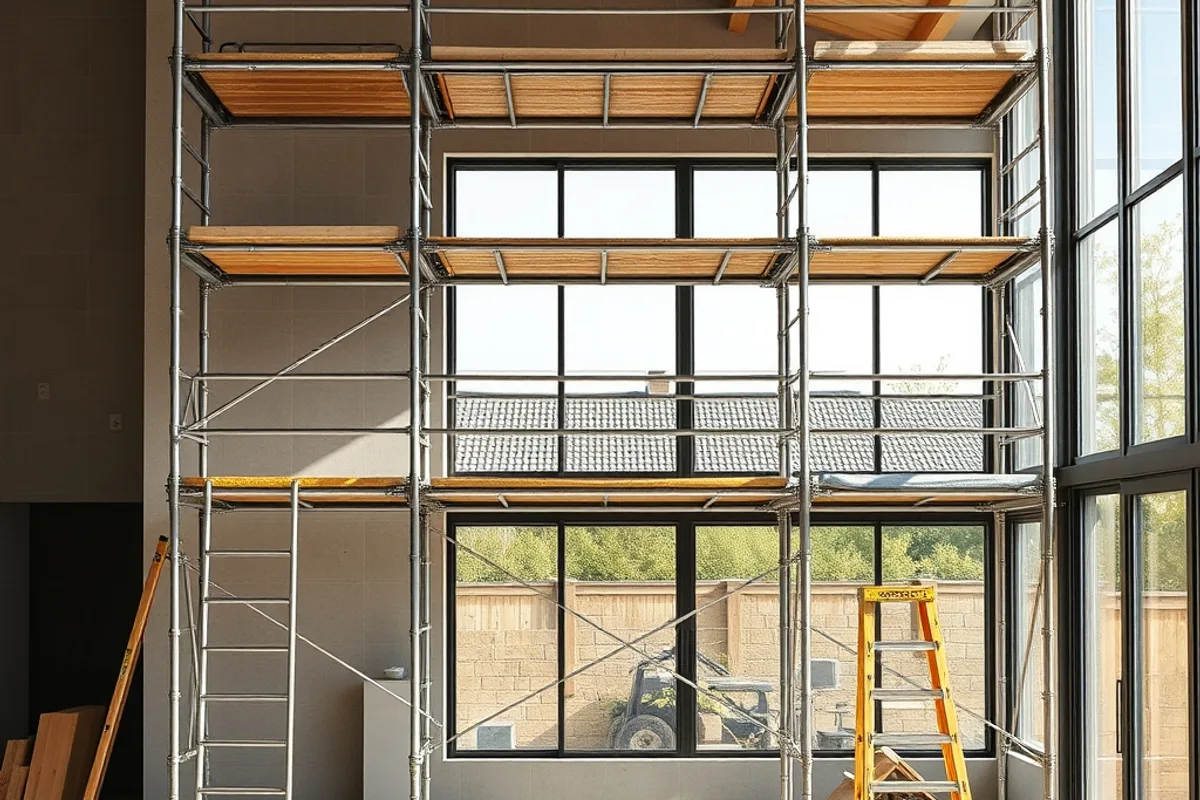
Kitchens, windows, structural steel, bespoke joinery and some tiles can take six to sixteen weeks. Order them before demolition begins, once dimensions are confirmed. A late window delivery stops the building from becoming watertight, which stops insulation, plaster and everything after it.
Keep a procurement schedule with order dates, deposits, delivery windows and contact details. Confirm deliveries a week ahead and have a safe, dry storage area ready. Materials that arrive early and sit in the rain are not early; they are damaged.
Typical lead times to plan around
- Structural steel: 4 to 10 weeks.
- Windows and doors: 6 to 14 weeks.
- Kitchens: 6 to 12 weeks.
- Bespoke joinery: 8 to 16 weeks.
Run a weekly site meeting
Keep it short and standing: what was completed last week, what is planned next week, what is blocking progress, and who will resolve it by when. Record the answers in a shared document and send them to the client and main contractor.
The meeting is not a performance review; it is a coordination tool. The most valuable question is "what do you need from us to keep going?" Answer it before the trade leaves site. A 20-minute meeting can save a week of waiting.
"Delays are rarely caused by slow workers. They are caused by decisions that arrive after the worker has already moved to another job."

Control variations ruthlessly
Every change to the agreed scope is a variation. It should be described, priced and approved in writing before work proceeds. Verbal instructions are the most common source of disputes and the most expensive way to buy a small improvement.
Keep a variation log with date, description, cost, time impact and approval. Review it weekly against the budget. If variations reach 10 percent of the contract value, stop and reassess the scope rather than discovering the total at the end.
Inspect at hold points
Agree inspection points with the contractor and building control: foundations, drainage, structural connections, first-fix services, insulation, waterproofing and fire stopping. Photograph everything before it is covered. A missing inspection can mean reopening a finished wall.
Use a snag list during the final weeks, recording each defect with a location and a deadline. Do not release retention until snagging is closed and certificates are provided.
Manage cash flow and records
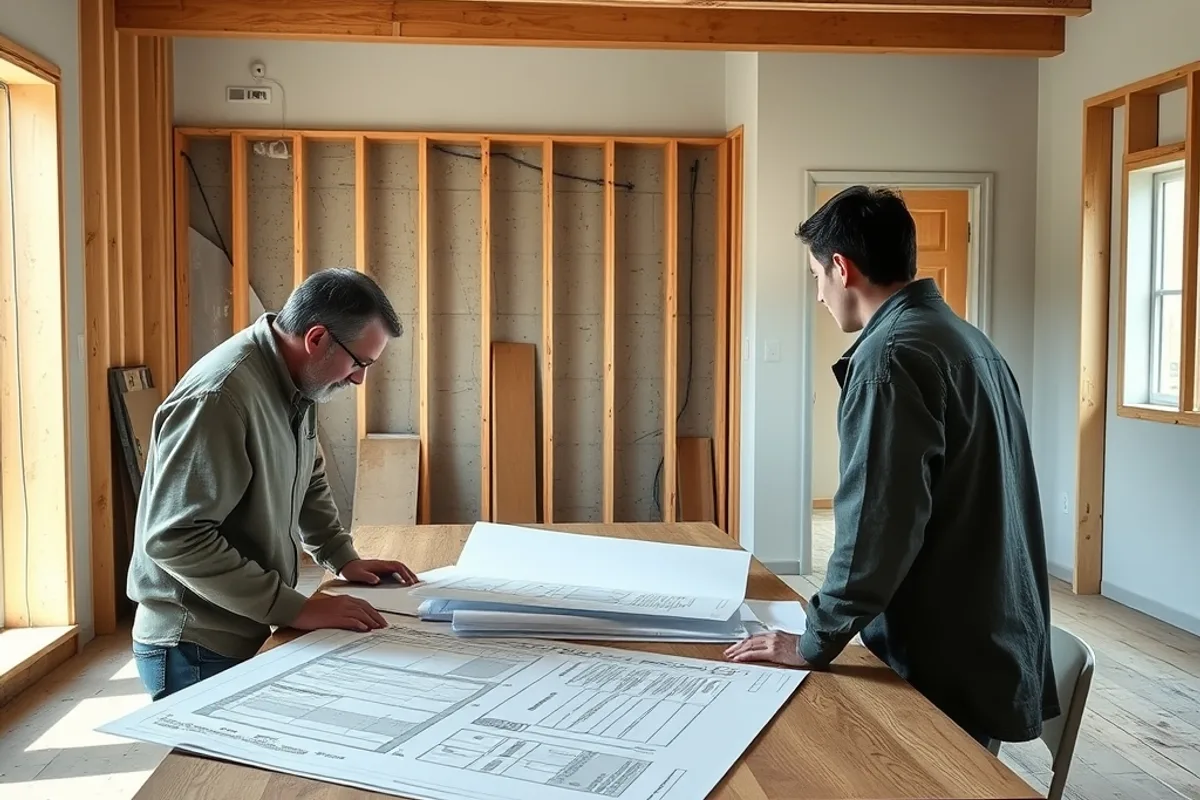
Pay against completed stages and keep a running budget that includes committed costs, paid invoices and remaining work. A project can look affordable until the final accounts arrive. Update the forecast monthly and share it with the client.
Keep contracts, drawings, revisions, meeting notes, variation approvals, inspection records and invoices in one folder. If a dispute arises, the paper trail is the case. Good records also make warranty claims and future alterations much easier.
Handling delays and disputes
Notify delays in writing as soon as they are known, with the cause and the expected impact. Most contracts require notice within a set period; missing it can forfeit a time extension. Discuss solutions before positions harden.
If a dispute escalates, follow the contract's dispute process before involving lawyers. Mediation is usually faster and cheaper. Keep paying for undisputed work to avoid a payment dispute on top of the original issue.

Close the project properly
Completion is not the day the tools leave. It is the day snagging is finished, certificates and manuals are handed over, warranties are registered and the final account is agreed. Hold a walkthrough with the contractor and record everything in writing.
Keep the handover pack with the property documents. Future buyers and trades will thank you, and it makes any warranty claim straightforward. For hiring the right team in the first place, read our contractor hiring guide.
The bottom line
Write the programme, order long-lead items early, meet weekly, price every variation before it happens and inspect before work is covered. A build stays on schedule when decisions are made ahead of the trades, not after them.