Full House Renovation Costs in 2026: A Realistic Budget
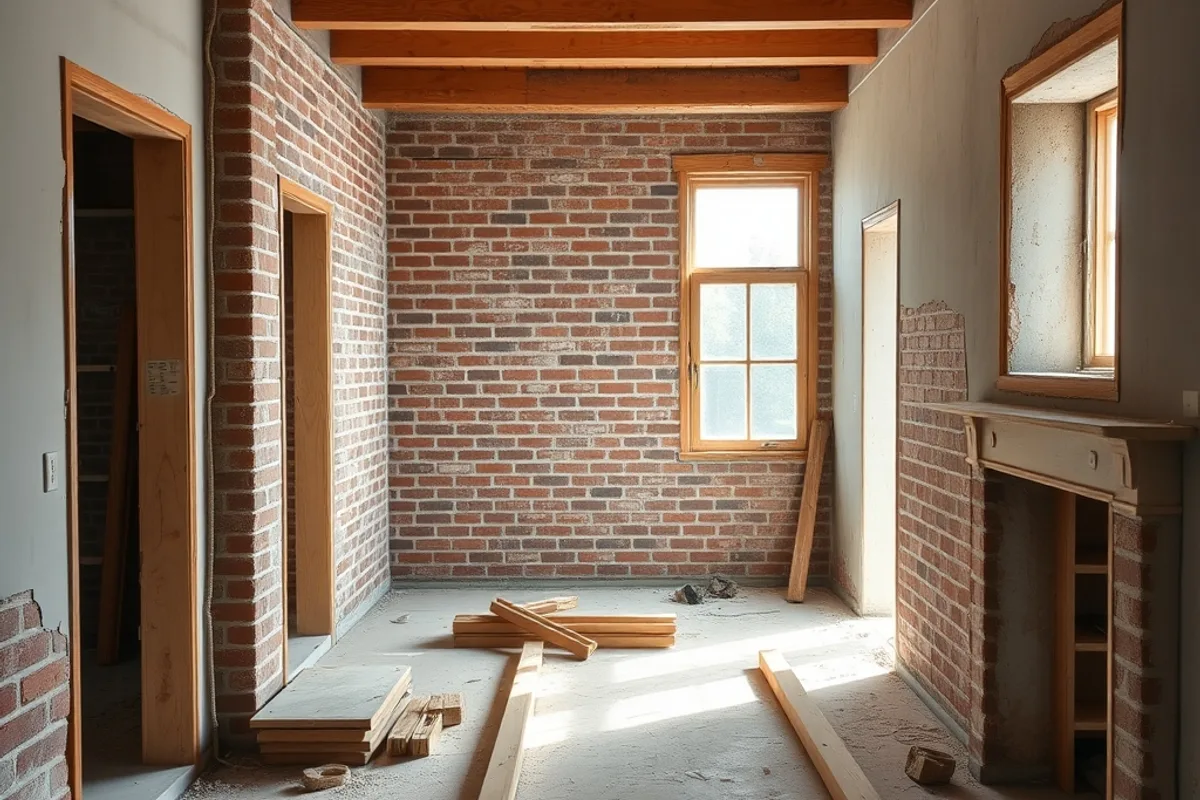
A full house renovation is priced like a hundred small projects that happen to share an address. That is why quotes for the same house can differ by forty percent: one contractor is pricing the work you described, the other is pricing the work they assume. This guide builds a budget you can compare and defend.
What "full renovation" actually means
The phrase covers everything from new paint and carpets to stripping a house back to brick and rebuilding services. Before you compare prices, define the level: cosmetic, standard, or structural. A cosmetic renovation replaces surfaces. A standard renovation replaces kitchen, bathrooms, wiring, plumbing and heating. A structural renovation also changes walls, floors, roofs and extensions.
Write your definition room by room, including what stays. A house with a serviceable boiler and a ten-year-old roof is a different project from one where both are at end of life, even if the estate agent described them identically.

Cost per square metre in 2026
For a standard full renovation with new services, kitchen, two bathrooms and decent finishes, expect $1,400 to $2,100 per square metre in a typical market, rising to $2,600 where access is difficult or the building is listed. Cosmetic work runs $450 to $850 per square metre. Structural work and extensions push the figure higher per square metre because foundations and steel are expensive.
These are build costs, not total project costs. Add professional fees, statutory charges and contingency before you decide the number is affordable.
Room-by-room budget ranges
Kitchen
A mid-range kitchen with new units, worktop, appliances, tiling, plumbing and electrics lands between $18,000 and $35,000. The range is driven by appliances and worktop material more than cabinet count. Moving a sink or cooker adds several thousand because services must be rerouted.
Bathrooms
Budget $8,000 to $16,000 per bathroom for a full refit including waterproofing, tiling, sanitaryware and ventilation. Wet rooms and underfloor heating sit at the top of the range. Never cut the waterproofing to protect the tile budget; the failure is invisible until the ceiling below stains.
Living areas and bedrooms
Plaster, paint, flooring and joinery for a typical living room run $4,000 to $9,000. Bedrooms are cheaper at $2,500 to $6,000 each, depending on wardrobes. Original features cost money to restore and add character that new build cannot buy.
Structural work
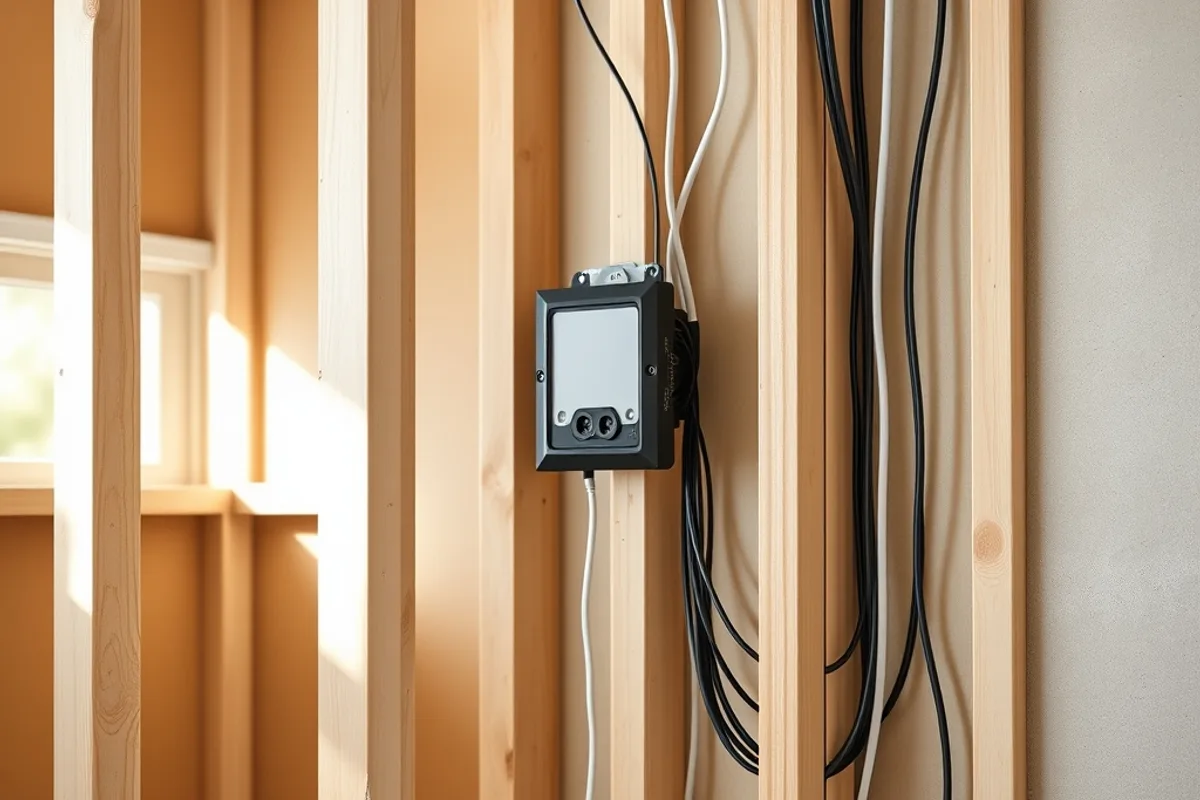
Removing a load-bearing wall with a steel beam and Building Control approval costs $3,000 to $8,000. New openings, chimney removal and floor strengthening each carry engineering fees. This is the part where a cheap quote is most dangerous, because the consequences are not cosmetic.
The costs outside the build
Professional fees typically total 8 to 12 percent of the construction cost: design, structural engineering, party wall awards, planning and building control. A full house renovation also needs a measured survey, an asbestos survey for older buildings, and sometimes a drainage survey.
Then there are the running costs of the project: scaffolding at $1,500 to $4,000, skips at $300 to $600 each with several required, site insurance, temporary accommodation and storage. A family living out of the house for four months can spend more on rent than on the kitchen.
"The renovation budget that survives is the one that includes the costs you hope will not happen. Hope is not a line item."
Why older houses cost more
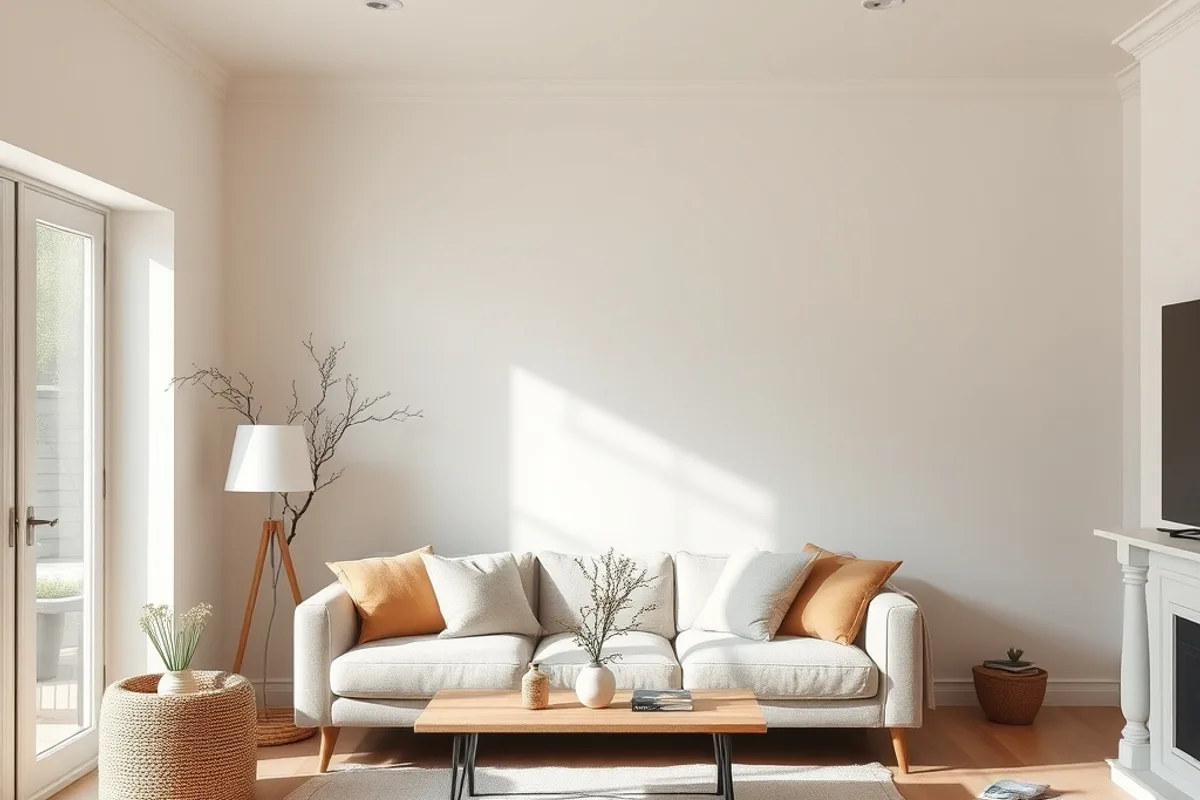
Pre-1950 properties hide rubble walls, lath and plaster, lead pipes and wiring with no earth. Once the plaster is off, the choices multiply: insulate internally and lose space, or upgrade the heating instead. Damp, roof timbers and chimney stacks are commonly discovered rather than planned.
Survey before you buy if possible, and price the known defects explicitly. A full renovation of an untouched period house can easily cost double the per-square-metre rate of a 1990s house with the same floor area.
How to keep the total under control
Decide the specification early and in writing. Choose kitchens, bathrooms and flooring before the first quote so every contractor prices the same thing. Pay for a proper design: drawings and a schedule of works reduce variations far more than they cost.
Protect the contingency in a separate account. If you spend it on an upgraded kitchen in month one, you will be borrowing in month three when the electrician finds aluminium wiring. Cut finishes before structure when money is tight; a cheaper tap can be replaced, shallow foundations cannot.
What a realistic all-in example looks like
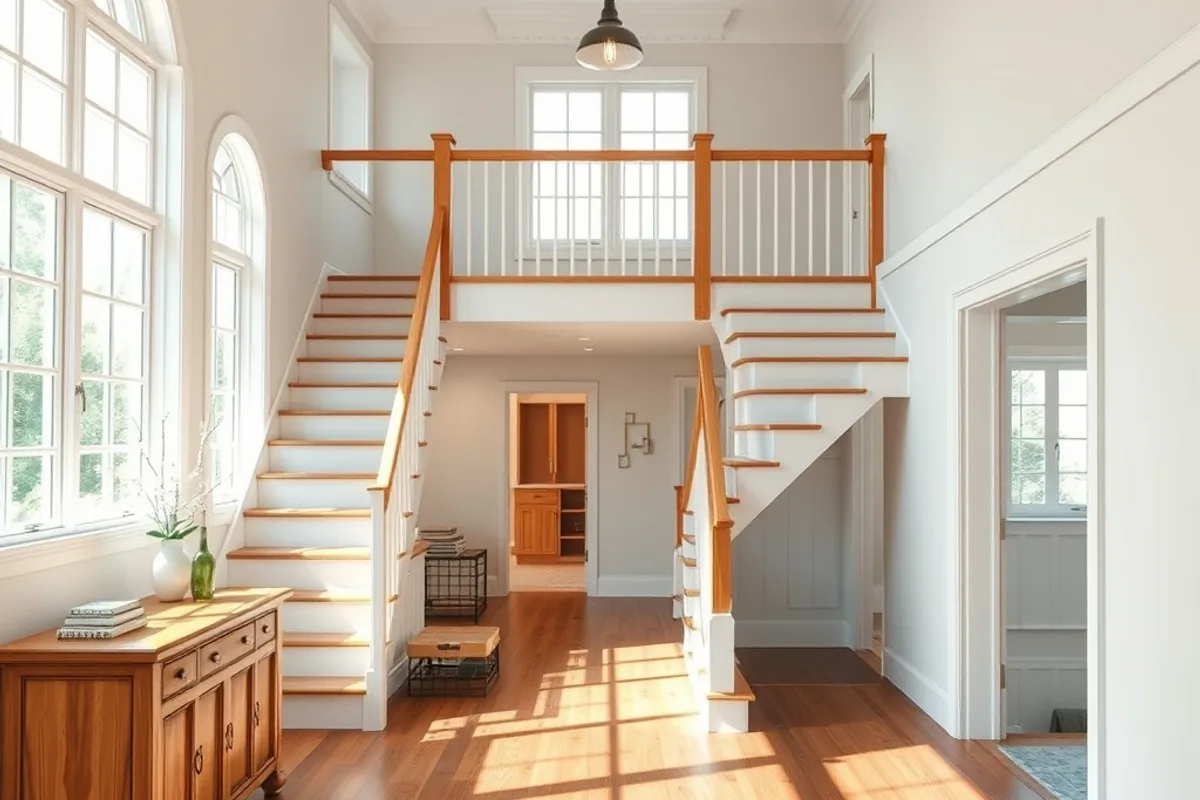
A 120-square-metre three-bedroom house with a standard full renovation at $1,800 per square metre costs $216,000 for the build. Add 10 percent fees ($21,600) and 10 percent contingency ($21,600) and the project total is around $259,000 before temporary accommodation and moving costs.
That number is why a full renovation is often compared with moving. It is only worth it if the finished house suits you for years, or if the local values support the spend. Check sold prices nearby before committing, and read our renovation planning guide for the sequence that keeps the budget honest.
The bottom line
Budget $1,400 to $2,600 per square metre for a standard full renovation, add a tenth for fees and another tenth for surprises, and define the specification before you ask for prices. The total will still be large. At least it will be the real one.