Home Renovation Planning: The Order That Keeps a Project on Track

Most renovations fail in the planning, not the building. The wall comes down before the electrician has seen the layout, the kitchen is ordered before the plaster dries, and the contingency disappears in the first month on a decision nobody recorded. Good planning is not paperwork for its own sake; it is the cheapest way to buy certainty.
1. Define the problem before the project
A renovation should solve something specific: too little light, one bathroom for four people, a kitchen that cannot fit two cooks. Write that problem down in one sentence. It becomes the test for every later decision, including the tempting extras that arrive with the first showroom visit.
Walk the house room by room and note what you would keep, move or remove. Photograph everything, including meter cupboards, stopcocks and the position of sockets. These records save hours when trades ask questions later and prevent accidental damage to services you forgot existed.
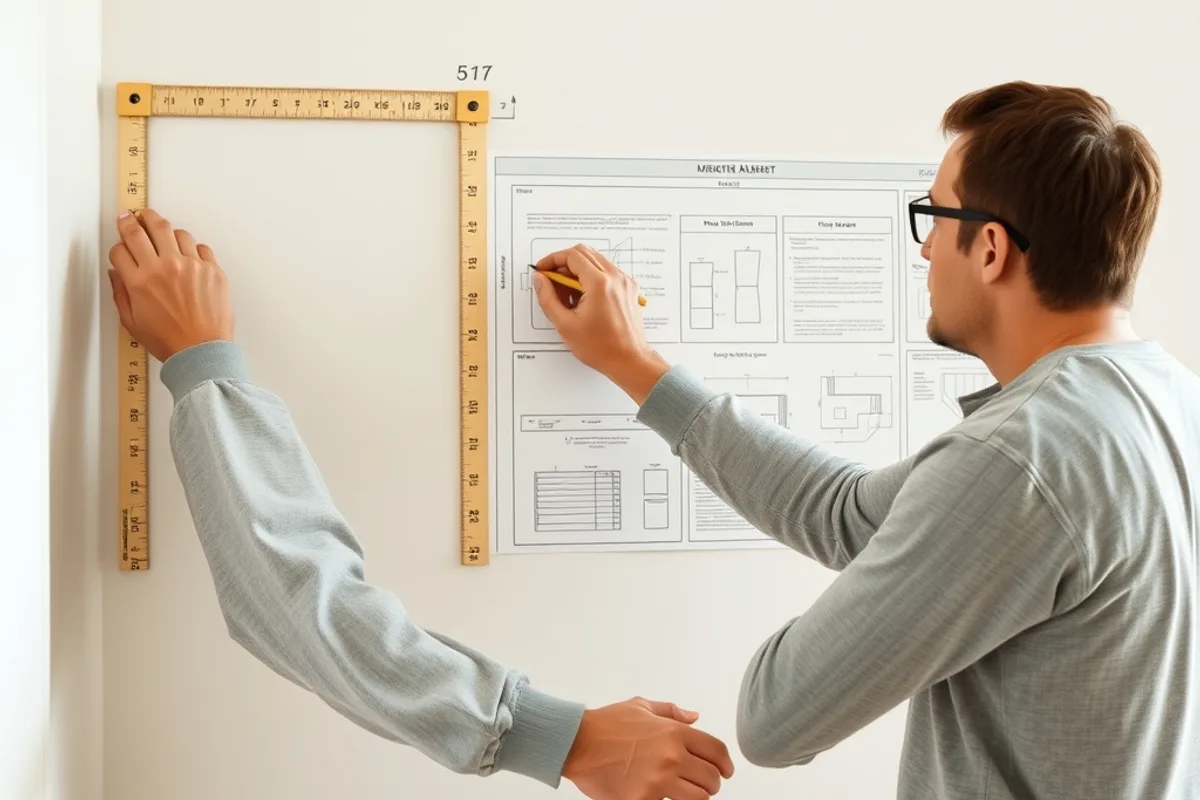
2. Set the budget from the bottom up
Do not start with a total you can afford and divide it. Start with the scope and price the work packages: demolition, structural work, electrics, plumbing, plaster, joinery, flooring, decoration. Add professional fees, building control, waste removal and a temporary kitchen or bathroom allowance.
Then add contingency. Ten percent is the minimum for a straightforward project; fifteen percent is realistic for a pre-1950 house where walls, drains and wiring frequently disagree with the drawings. The contingency is not spare money; it is the budget for things you cannot see until the plaster is off.
What to include in the first budget
- Labour and materials for each work package, separately.
- Design, engineering and planning fees, labelled.
- Skip hire, scaffolding and site protection.
- VAT or local sales tax at the correct rate.
- A moving and storage allowance if the house becomes unlivable.
3. Fix the specification before quotes
A quotation is only comparable if the specification is identical. Write down the make and model of the kitchen, the thickness of the plasterboard, the type of underlay and the finish on the skirting. If a contractor replaces a specified product with a cheaper one without approval, that is a variation, and variations are priced at their convenience.
"Every decision left open becomes a variation. Every variation is the most expensive way to buy anything on a building site."

4. Sequence the work properly
The reliable order is: surveys and design, structural alterations, first-fix services, insulation and plaster, second-fix services, flooring, joinery, decoration. Kitchen and bathroom units arrive after plaster but before final decoration, and appliances arrive after flooring is protected.
Compressing this sequence is where delays breed. Flooring laid before plastering gets ruined; kitchen cabinets hung before the walls are true need filler panels; tiling started before waterproofing is signed off leaks a year later. If a contractor proposes a different order, ask what protects the finished work.
5. Get three itemised quotes and read them fully
Count the pages. A one-page quote for a full renovation is not a price; it is a wish. A useful quote lists labour and materials per work package, states what is excluded, names the payment stages and gives a start date and a duration rather than a vague season.
Ask each contractor the same five questions: who will be on site daily, which works are subcontracted, what happens if the programme slips, how variations are priced, and what warranty covers the finished work. Compare the answers, not just the totals. The cheapest quote usually has the longest exclusions list.
6. Put the agreement in writing
A contract should name the parties, describe the scope by reference to drawings and specification, set the price and payment schedule, define the programme, explain how variations and delays are handled, and state the retention and defects period. Payment should follow completed stages, never a large deposit for materials you have not seen.
Keep a single project folder with quotes, contracts, invoices, variation notes, photographs and inspection records. When a dispute starts, the person with the paper trail is the one who gets a fair outcome. Our contractor hiring guide covers the contract clauses worth insisting on.

7. Plan the disruption as carefully as the build
Assume the kitchen or bathroom will be unusable for longer than promised. Set up a temporary cooking area, protect furniture with dust sheets, agree working hours with neighbours before scaffolding arrives, and decide where materials can be stored without blocking a fire exit or a pavement.
If the property will be empty, arrange insurance for unoccupied buildings. If you are living in it, confirm the policy covers renovation work and that the contractor carries public liability and employer's liability cover. Ask for certificates before the first day, not after the first accident.
8. Inspect at stages, not at the end
Agree hold points: after demolition, after first-fix services, before plasterboard closes walls, after waterproofing and before tiling. Photograph pipework and wiring before they disappear. Inspect each stage against the specification and record any snag in writing with a date for correction.
Final payment should be released only after snagging is complete and certificates for electrical and gas work are in hand. A defects period of six to twelve months is normal; a contractor who refuses one is telling you something useful.

The bottom line
A renovation is a sequence of decisions before it is a sequence of trades. Define the problem, price the scope from the bottom up, fix the specification, agree the order and put everything in writing. Do that and the build becomes the straightforward part. For the money side in more detail, read our full house renovation cost guide.